Our
Story
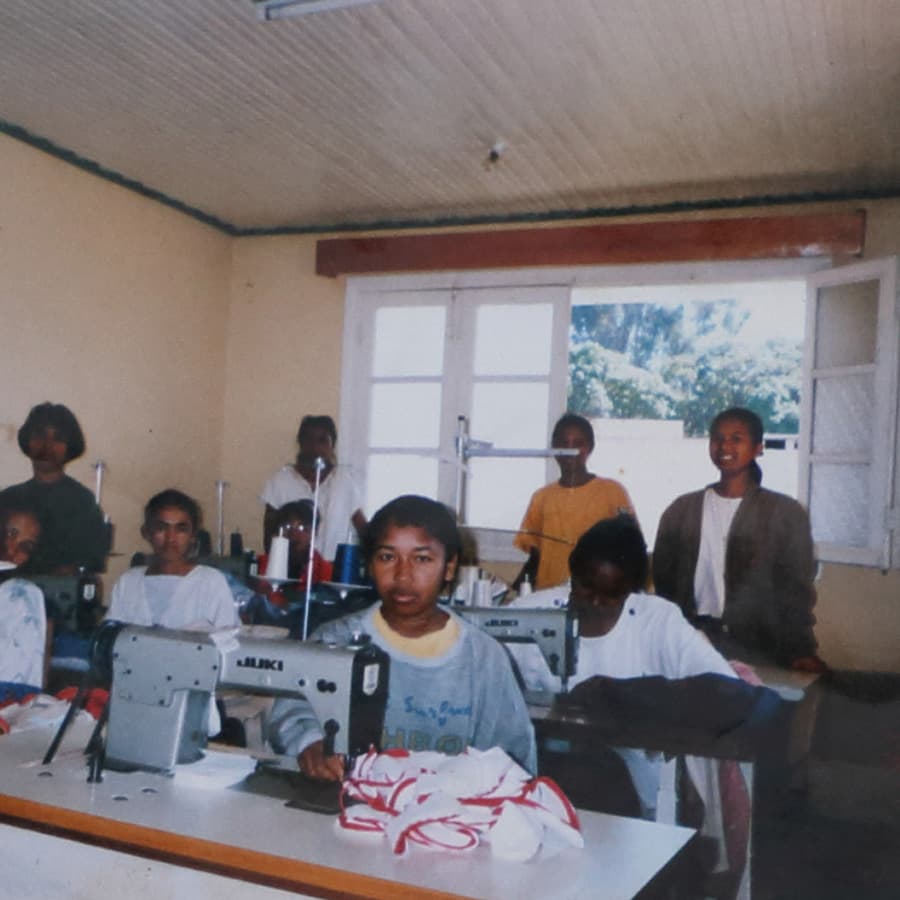
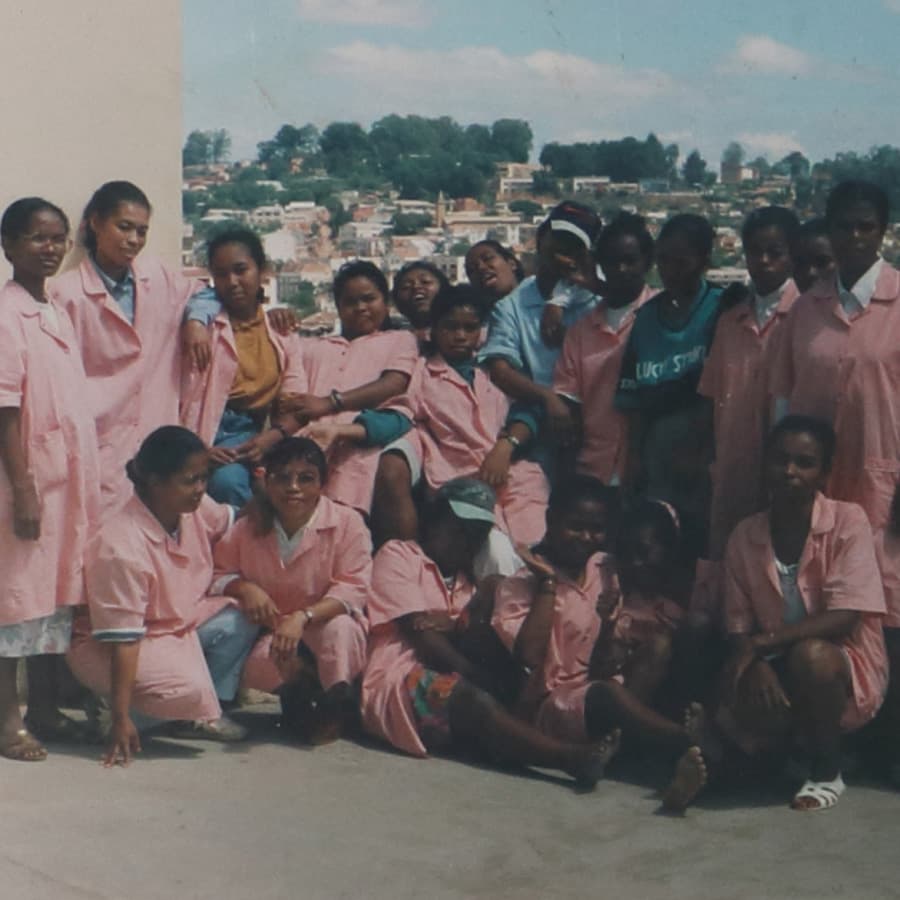
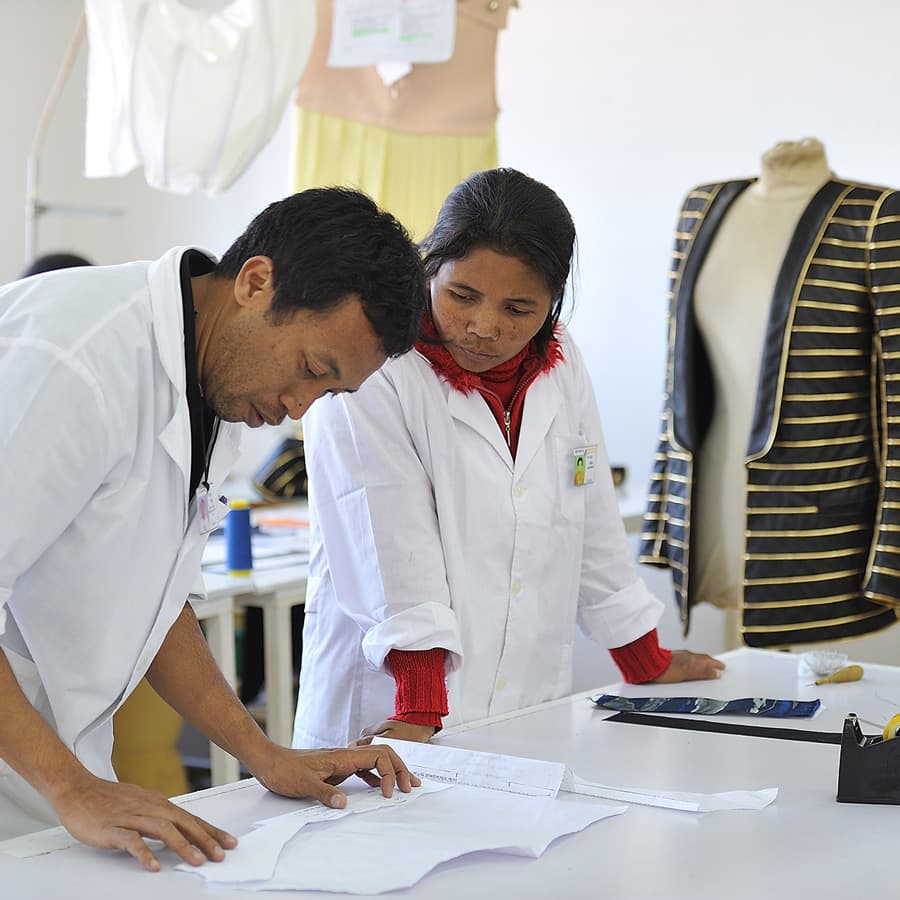
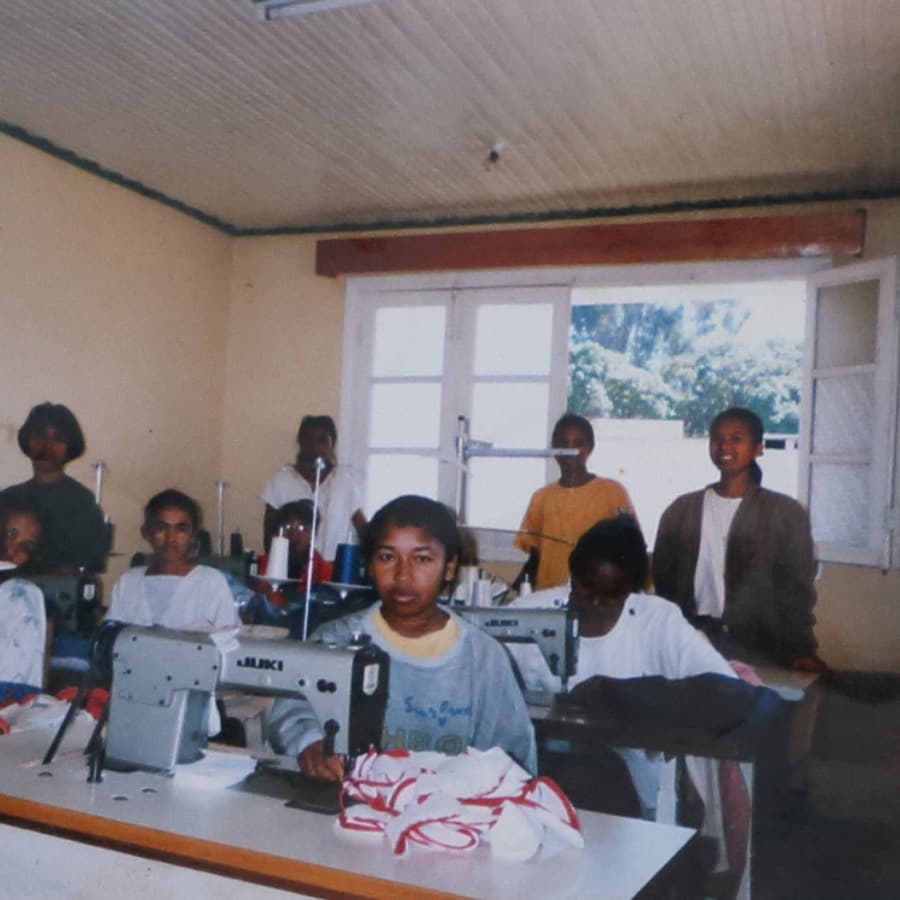
It all began with a shared passion for textile craftsmanship among four French entrepreneurs: Christophe Dabezies, Delphyne Dabezies, François Douessy and Alexandre Guerrier. They met at the École Supérieure Industrielle du Vêtement (ESIV) and discovered Madagascar during their early professional experiences. Captivated by the country, its resources and opportunities, and driven by a strong entrepreneurial ambition, they found the ideal environment in which to develop a common project. Delphyne and Christophe established their first workshop with a small team of embroiderers, creating hand-smocked children’s dresses and embroidered knitwear. These creations quickly attracted their first clients in the children’s apparel market. At the same time, Alexandre founded a shirt manufacturing company. In 2000, the two businesses merged to become AKANJO, and in September of the same year, François joined the venture as the fourth partner.
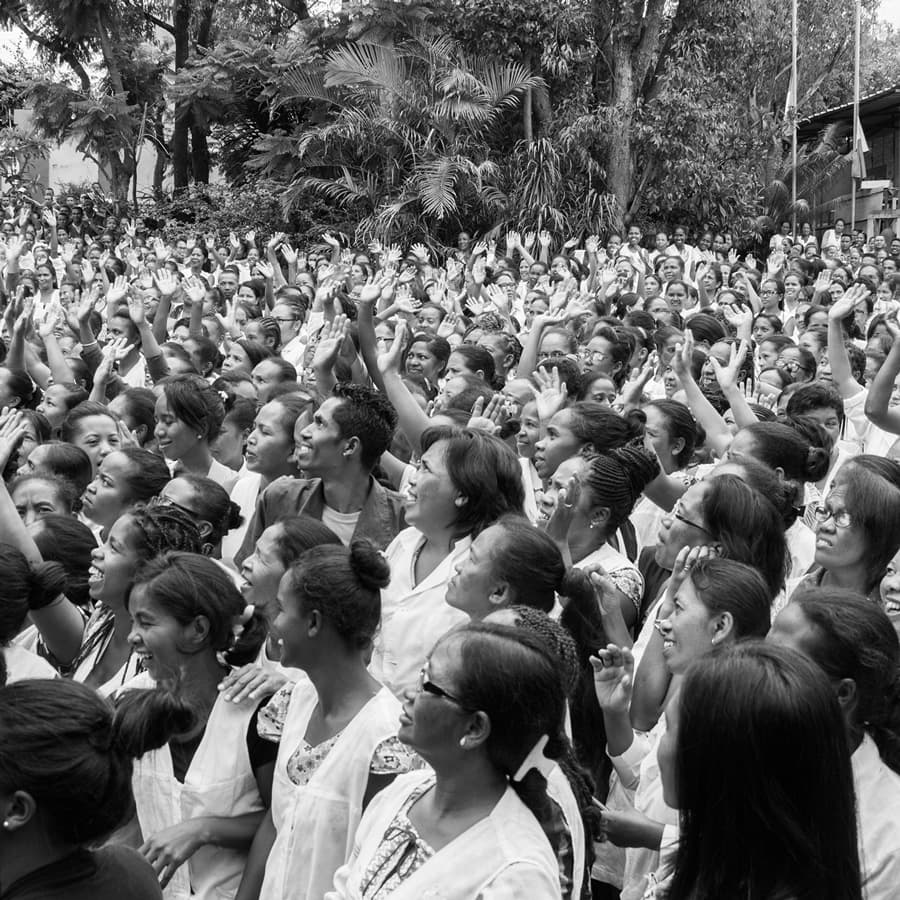
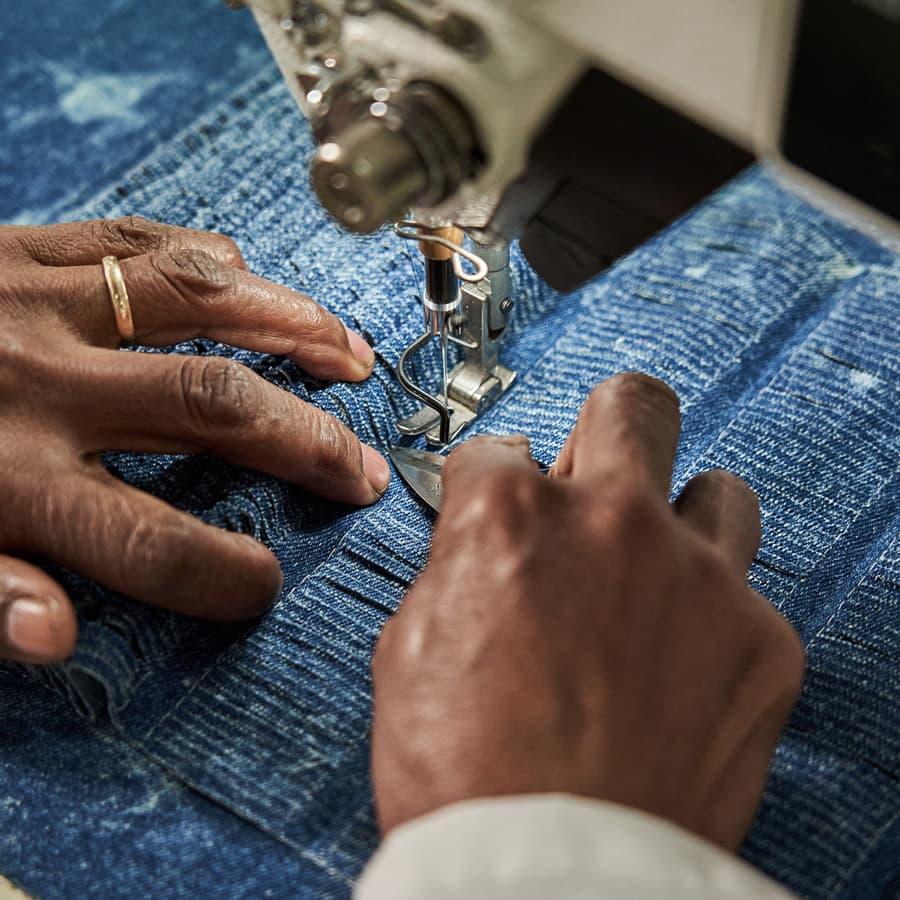
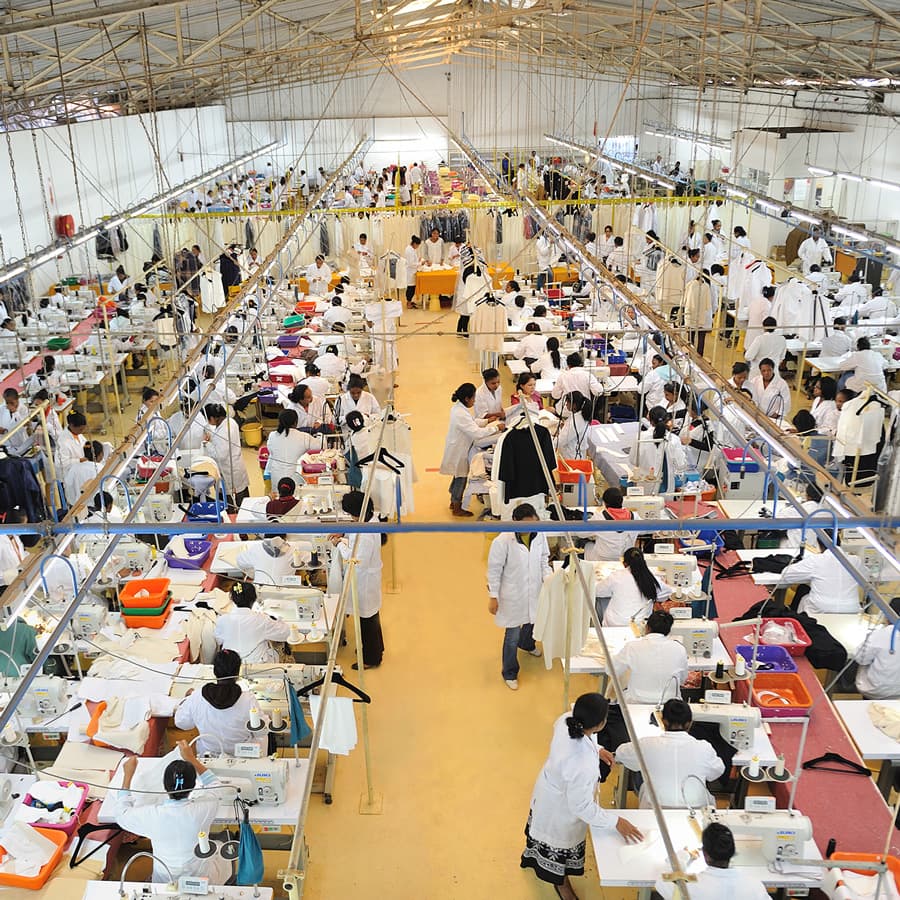
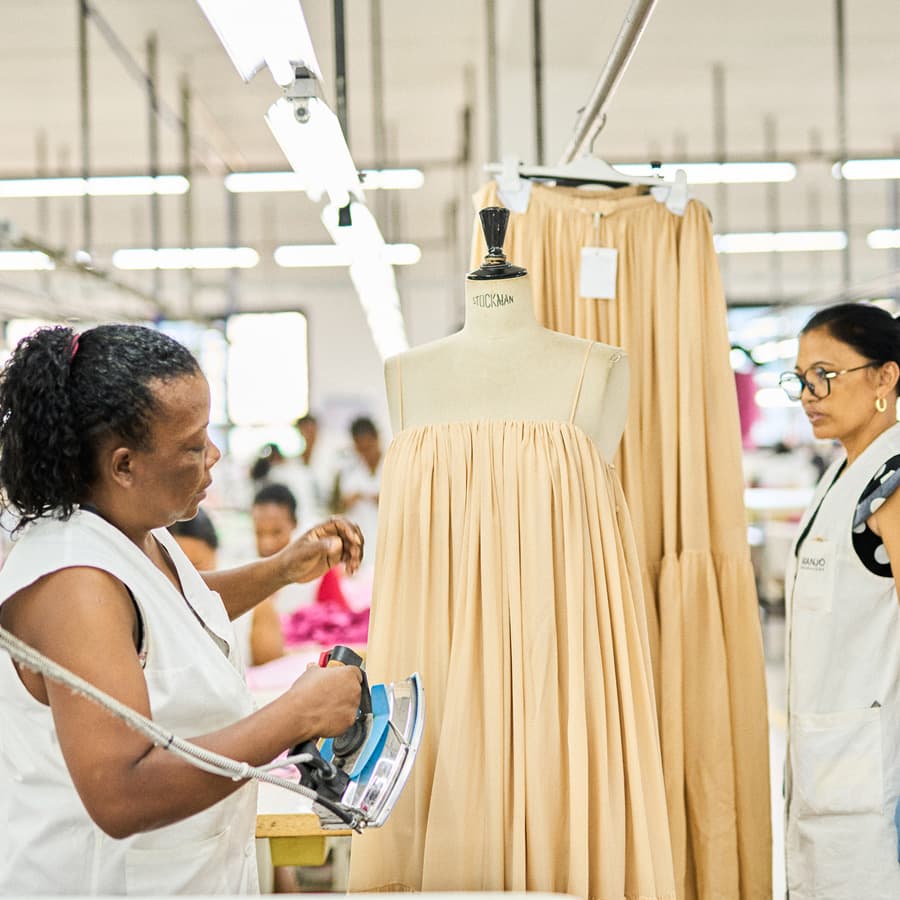
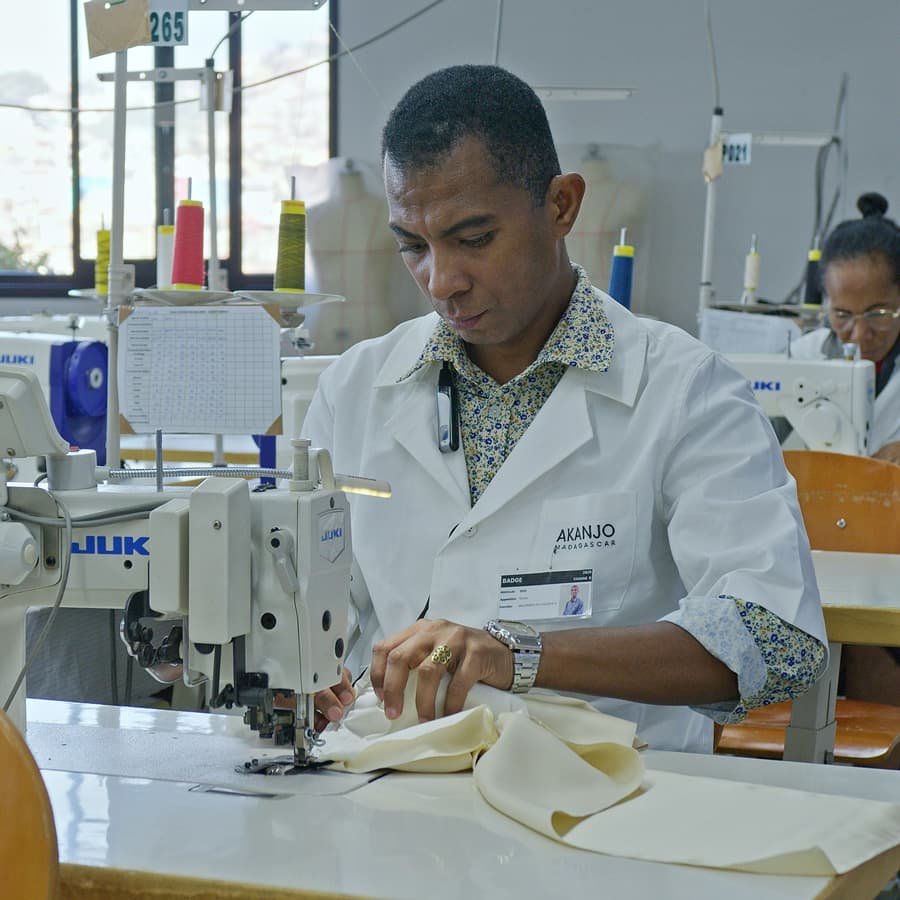
AKANJO diversified and evolved in line with the ambitions of its founders: a multidisciplinary company serving some of the world’s leading luxury Houses, capable of addressing a wide range of markets including women’s and men’s ready-to-wear, fluid garments, high value-added creations, leatherwork and more. Over the years, AKANJO’s teams have developed expertise in hand embroidery, machine embroidery, pleating and leather craftsmanship, making the company unique through the combination of multiple savoir-faire and strong industrial capabilities. Adaptability, training and continuous improvement have been the driving forces behind this evolution, placing Malagasy and French savoir-faire at the heart of some of the most beautiful creations in the luxury industry.
The company was established under Madagascar’s Export Processing Zone (EPZ) framework, allowing investments as well as the importation of raw materials and accessories free of duties and taxes. Logistics with France are efficient and reliable: goods are delivered to French logistics platforms the day following shipment, with streamlined customs clearance procedures. Madagascar also benefits from favorable customs and tax conditions, including duty-free treatment for products transformed within the country. The Cotonou Agreements and EUR.1 certification allow products to enter the European market free of customs duties, while AGOA provides similar advantages for access to the United States market.